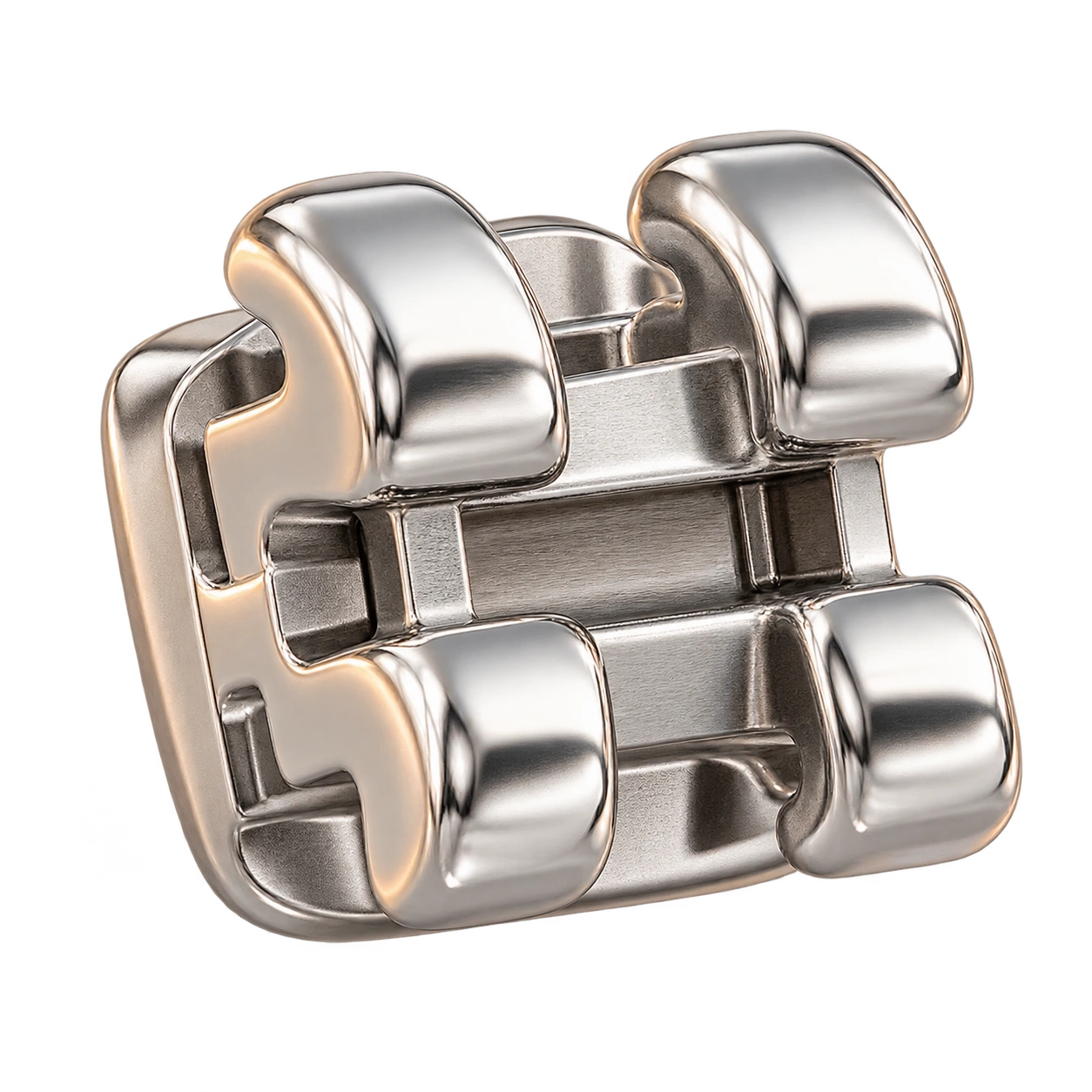
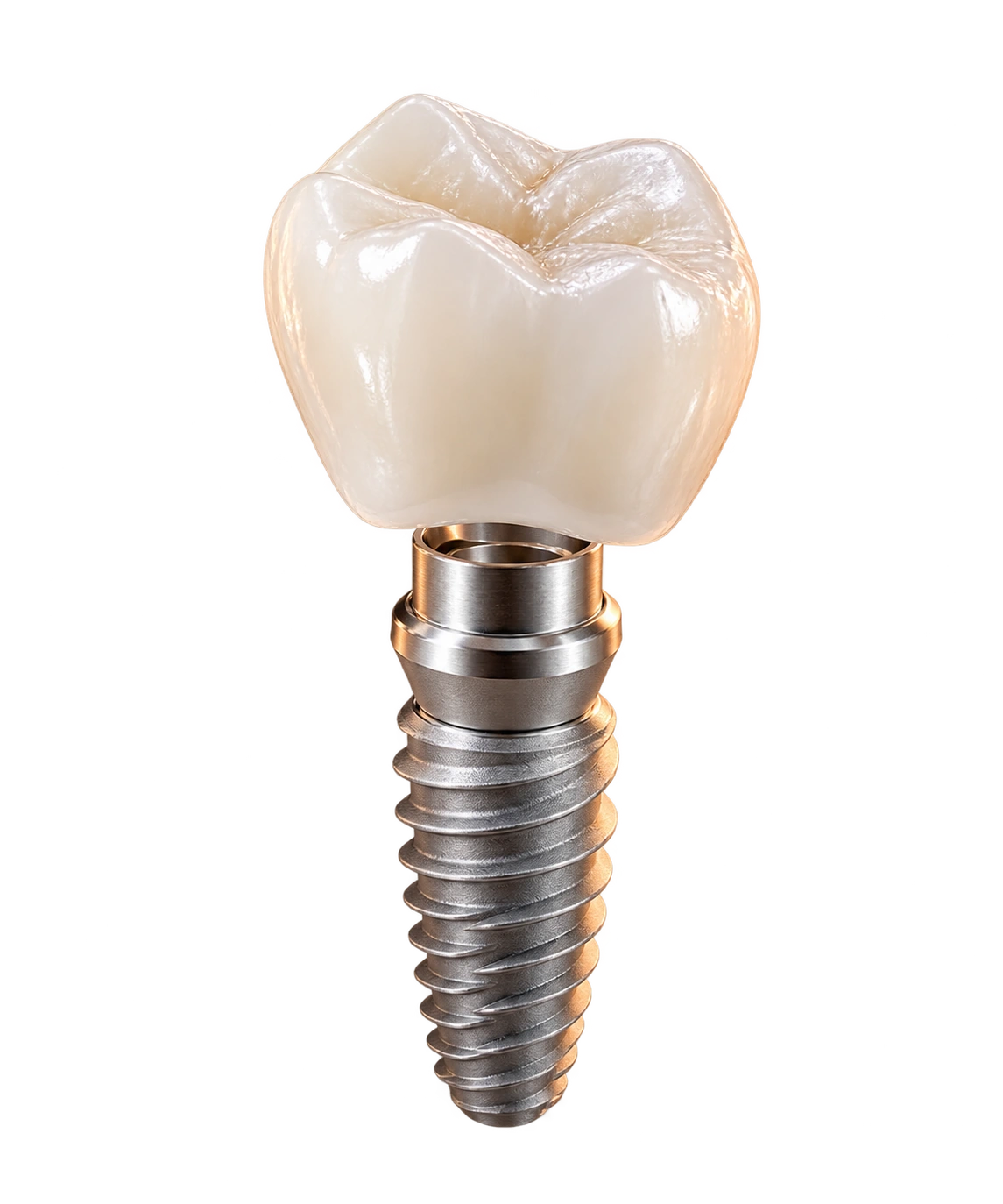
A sequence of trays.
Clear aligners fit closely over the teeth. A planned series of trays is used to guide tooth movement in stages.

Clear, removable trays used in a planned sequence to move teeth. Explore how aligner treatment would fit your teeth, bite and everyday routine.
Illustrative object. Suitability requires a consultation.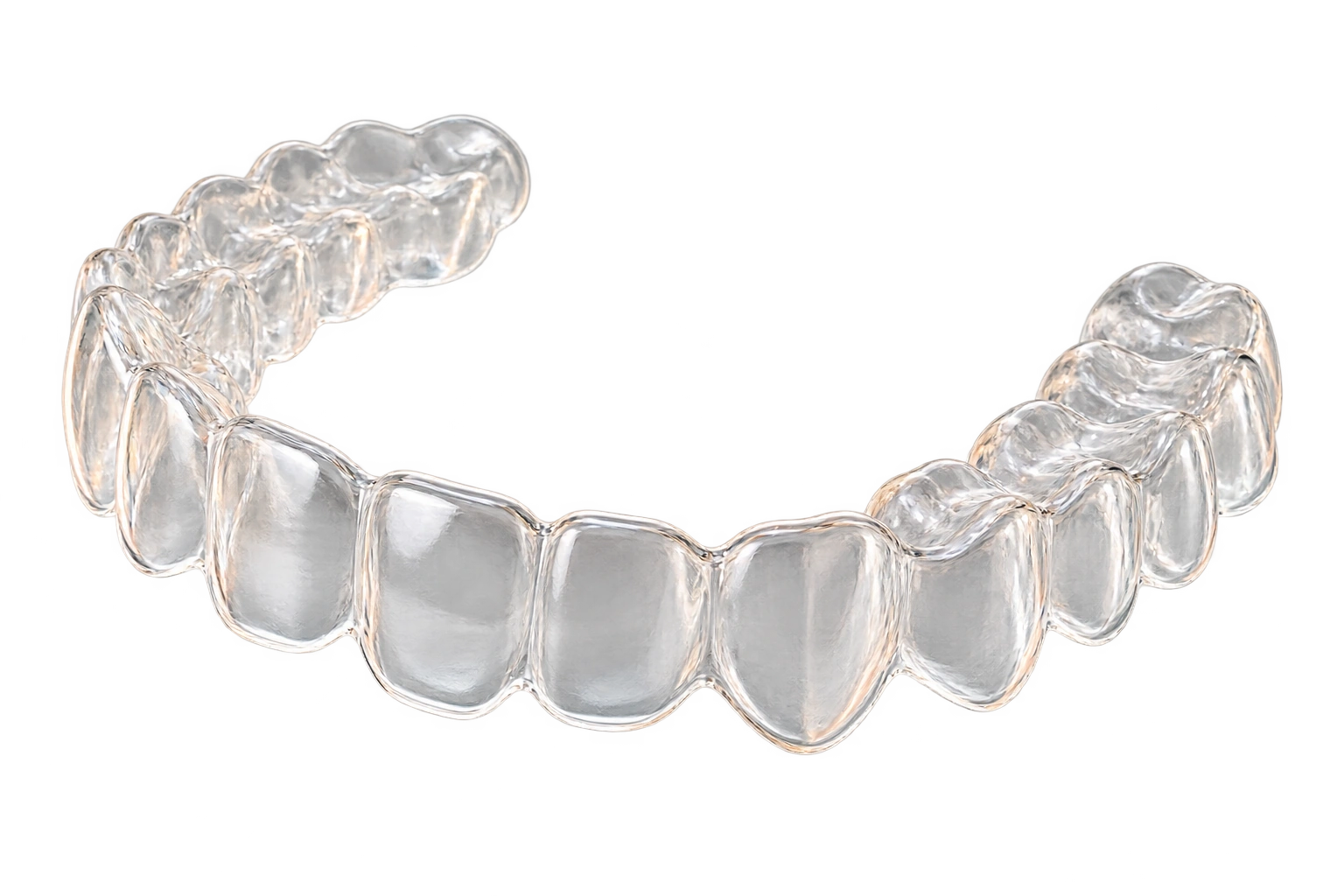 FACES & BRACES / 02
Clear aligners fit closely over the teeth. A planned series of trays is used to guide tooth movement in stages.
Removable does not mean occasional. Your orthodontist will explain your wearing schedule, cleaning routine and when to move to the next tray.
Review visits help your doctor assess progress. Discuss what happens if a tray does not fit, and how retainers will maintain the result after treatment.
Start with the practical differences. Your orthodontist can explain which matters for your teeth and bite.
| The detail | Fixed braces | Clear aligners |
|---|---|---|
| The appliance | Brackets connected by an archwire. | A planned series of clear trays. |
| Removal | Stays attached during treatment. | Removable; follow the prescribed wearing routine. |
| Everyday care | Cleaning around brackets and wires. | Care for your teeth and the trays. |
| After treatment | A retainer and follow-up plan are important with either approach. | |
A general comparison, not a recommendation for an individual case.
No single appliance suits every case. Your orthodontist will assess your teeth, bite and oral health, then discuss the options and their limitations.
Aligner treatment needs professional assessment and review. Ask the clinic how your visits and progress checks would be arranged.
Follow the cleaning and wearing instructions provided for your particular aligners. Ask the team what to do if a tray is lost, damaged or no longer fits.
Yes. Explore the comparison below, then ask Dr. Shardul which differences matter for your own treatment plan.